Fountain House Lahore : "A Beacon Of Home"
History of Fountain House Lahore
Fountain
House Lahore is one of Pakistan's most prominent mental health
institutions, with a history deeply rooted in compassion, innovation,
and a relentless pursuit of dignity for individuals battling mental
illness.

The Origin: A Vision of Compassion
Fountain
House Lahore was established in 1971 as a response to the growing need
for organized mental health care in Pakistan. The institution was
inspired by the original Fountain House in New York, which introduced a
"clubhouse model" focusing on community-based rehabilitation for
individuals with mental illnesses.
Dr.
Muhammad Ajmal, a renowned psychologist and the visionary behind
Fountain House Lahore, believed that mental health care in Pakistan
required a transformative approach. His vision was to create a space
that provided treatment, hope, and a sense of belonging to those
marginalised by society due to their mental health challenges.
The Clubhouse Model: A New Approach
Fountain House Lahore adopted the internationally recognized clubhouse model of psychosocial rehabilitation,
which focuses on creating a supportive community for members
(patients). The idea was to move beyond the traditional hospital setting
and provide individuals with a sense of purpose and inclusion through
meaningful activities, skill development, and peer support.
Early Challenges
In
its early days, the institution faced significant challenges, including
limited awareness about mental health and the stigma associated with
it. Resources were scarce, and mental health care was not a priority in
the national healthcare agenda. Despite these hurdles, the founders and
staff remained steadfast in their mission to provide care and support to
individuals who had nowhere else to turn.
Growth and Expansion
Over
the decades, Fountain House Lahore grew into a comprehensive facility
offering a wide range of services. It started with modest accommodations
and basic facilities but gradually expanded into a multi-faceted
institution with specialized programs for different mental health
conditions.
Key milestones in its history include:
- 1971: Establishment of Fountain House Lahore as Pakistan's first clubhouse-based mental health facility.
- 1980s: Expansion of its vocational training programs, empowering members to gain independence.
- 1990s: Introduction of art therapy, music therapy, and recreational programs as part of a holistic healing approach.
- 2000s: Enhanced community outreach efforts, raising awareness about mental health across Pakistan.
- 2010s: Integration of modern psychiatry with traditional therapies, strengthening its reputation as a leader in mental health care.
Fountain House has played a pivotal role in breaking the silence around mental health issues in Pakistan. By organizing awareness campaigns, public seminars, and collaborations with schools and NGOs, it has reshaped societal attitudes toward mental illness.

Achievements and Legacy
Today, Fountain House Lahore is a symbol of hope and resilience. It has served thousands of members, offering them not only medical treatment but also opportunities to rebuild their lives. It remains at the forefront of mental health care, setting benchmarks for community-based rehabilitation in Pakistan.
A Vision for the Future
As
Fountain House Lahore moves forward, it aims to expand its services to
undeserved areas, integrate technology like telemedicine, and
strengthen partnerships with international organizations. Its commitment
to creating a society that values mental health and embraces
individuals with mental illnesses remains unwavering.

The Light in the Darkness
In the bustling city of Lahore, Fountain House stands as a sanctuary of hope and resilience for those battling mental illness. This haven isn’t just a treatment center it’s a lifeline for individuals yearning for recovery, acceptance, and belonging. For decades, it has illuminated a path toward mental wellness, breaking through the societal shadows of stigma and neglect. Fountain House us more than a facility; it’s a beacon that reminds us all that healing is possible, no matter how dark the journey may seem.
The Legacy of Healing
Founded in 1971, Fountain House Lahore emerged from a visionary dream of community-centered mental health care. Inspired by the original Fountain House model in New York, Dr. Muhammad Ajmal a trailblazer in psychology envisioned a place where compassion and dignity would guide every step of treatment. Over the decades, Fountain House has evolved into a cornerstone of mental health care in Pakistan. It stands as a testament to the power of resilience and the human spirit, transforming lives and reshaping perceptions about mental illness.

A Sanctuary for Mental Wellness
Fountain
House offers a comprehensive range of services, providing not just
clinical care but also a community of support. Its approach blends
evidence-based therapy with creative programs designed to nurture the
whole person. Members those receiving care participate in vocational
training, art therapy, and recreational activities that rebuild
confidence and independence. The tranquil gardens and inclusive
environment are a testament to its philosophy: healing isn’t just about
medicine; it’s about restoring a sense of purpose and belonging.

Bridge to the Community
Fountain
House is more than a place for healing; it’s a bridge that connects
mental health awareness with the wider community. It actively
collaborates with schools, universities, and organizations to foster
dialogue about mental health. Public seminars and workshops challenge
misconceptions, while partnerships with NGOs extend the institution’s
reach. This commitment to outreach helps erode the walls of stigma,
creating an ecosystem where mental wellness is a shared societal
responsibility.
Breaking Barriers, Building Futures
Stigma
remains one of the biggest barriers to mental health care in Pakistan.
Fountain House is at the forefront of challenging this, using advocacy
and awareness campaigns to shift societal attitudes. Through
storytelling, educational initiatives, and policy advocacy, it
encourages conversations that normalize mental health struggles. By
doing so, Fountain House is not just healing individuals but also
dismantling the systemic barriers that keep many from seeking help.

A Vision Beyond Tomorrow
Fountain
House dreams of a future where mental health care is accessible to all.
Plans include expanding its services to rural areas, integrating
telemedicine to reach isolated communities, and launching new awareness
programs to tackle stigma at its roots. But these goals require
collective effort. Fountain House calls on individuals, businesses, and
policymakers to join hands in making this vision a reality. Every
contribution whether time, resources, or advocacy brings us closer to a
society where mental health is universally prioritised .
Khawaja Sira (Transgender Community)
 |
| khawaja sira Bali |
Fountain House provides a safe space for Khawaja Sira, individuals who identify outside the traditional gender binary. In Pakistan, the transgender community often faces significant social stigma, discrimination, and lack of acceptance. Fountain House offers a variety of services, such as:
- Psychosocial Support: Many Khawaja Sira individuals experience mental health challenges due to societal exclusion. Fountain House provides counseling and peer support to help them cope with emotional and psychological distress.
- Healthcare Services: The organization offers medical assistance, including mental health care and support for hormone treatments, ensuring that transgender individuals have access to appropriate healthcare.
- Vocational Training: Recognizing the challenges of employment discrimination, Fountain House helps Khawaja Sira individuals develop skills that can help them find meaningful work and achieve financial independence.
2. Autism Spectrum Disorder (ASD)
Fountain House has also extended its services to individuals with autism, providing tailored care and support. Autism is a developmental disorder that affects communication, behavior, and social interaction. At Fountain House, services for individuals with autism might include:
- Specialized Programs: Programs are designed to cater to the specific needs of those on the autism spectrum, providing therapies and interventions that help with social skills, communication, and behavioral regulation.
- Education and Skill Development: Fountain House offers a variety of educational programs aimed at improving cognitive skills, social integration, and self-reliance for individuals with autism. These may include tailored schooling, training workshops, and support for families.
- Inclusive Environment: Fountain House creates an environment where individuals with autism can interact with others in a supportive and non-judgmental space, ensuring they are included in community activities and treated with respect.
3. Mental Health Support for Various Units
Apart from its work with Khawaja Sira and individuals with autism, Fountain House operates various units that focus on mental health, including:
- Psychiatric Rehabilitation: This unit provides rehabilitation services for individuals suffering from serious mental health conditions like schizophrenia, depression, and anxiety disorders. The aim is to reintegrate them into society by improving their mental health and social functioning.
- Community-based Care: Fountain House promotes community-based mental health care, reducing the need for institutionalization and focusing on the empowerment of individuals through rehabilitation, socialization, and education.
- Crisis Intervention: Fountain House also offers crisis intervention services for individuals facing immediate psychological distress, offering them a safe space for recovery.
4. Holistic Approach
One of the defining characteristics of Fountain House is its holistic approach to mental health and well-being. The organization integrates medical, psychological, social, and educational support to help individuals lead productive and fulfilling lives. By addressing not just the clinical symptoms but also the social, emotional, and economic challenges, Fountain House promotes long-term recovery and independence
Psycho Drama Therapy Unit

Psycho drama therapy is a form of psychotherapy that uses role-playing, drama, and creative expression to help individuals explore and process emotions, relationships, and life experiences. This approach can be particularly beneficial in a mental health setting like Fountain House, where clients may have diverse psychological needs.
Key Features of Psycho Drama Therapy:
- Role-Playing: Clients act out different scenarios or play roles from their own lives, which can include past events, relationships, or imagined future situations. This can help them gain new insights into their emotional and psychological states.
- Emotional Expression: Through drama and role-play, clients can express feelings and experiences that may be too difficult to verbalize directly. This is especially useful for individuals who find it challenging to communicate their emotions.
- Interpersonal Interaction: The therapy often involves group settings, where participants interact with each other by taking on various roles. This promotes empathy, better social skills, and understanding of others’ perspectives.
- Exploration of Identity: Psycho drama therapy can be especially helpful for people with identity-related challenges, such as Khawaja Sira (transgender individuals) or those dealing with social stigma, as it allows them to explore their sense of self and the roles they play in society.
- Conflict Resolution: It is an effective way for individuals to work through unresolved conflicts from their past, including trauma, family issues, and interpersonal struggles.
Benefits:
- Provides a creative outlet for self-expression and emotional release.
- Fosters personal growth, resilience, and healing through reflective practice.
- Helps individuals process complex emotions, reduce anxiety, and improve self-esteem.
2. Sports Therapy Unit

The Sports Therapy Unit uses physical activities, exercises, and sports as therapeutic tools to help individuals improve both their physical and mental well-being. It combines elements of physical therapy, fitness, and mental health support, making it a crucial part of holistic treatment for people with mental health challenges.
Key Features of the Sports Therapy Unit:
- Physical Exercise for Mental Health: Regular physical activity is known to reduce symptoms of depression, anxiety, and stress. The Sports Therapy Unit incorporates exercise programs tailored to individual needs, promoting overall mental health.
- Therapeutic Sports Activities: Activities may include a variety of sports such as basketball, volleyball, yoga, swimming, or individualized fitness plans. These activities are designed not just to improve fitness but also to encourage teamwork, discipline, and confidence.
- Building Social Skills: Sports therapy often takes place in group settings, providing an opportunity for individuals to interact, build relationships, and learn social skills. This is especially important for those who have social anxiety, autism, or other conditions that affect social interaction.
- Stress Relief and Emotional Regulation: Physical activity helps to regulate emotions, decrease anxiety, and improve mood by releasing endorphins. Engaging in sports can provide a productive outlet for pent-up energy and stress.
- Rehabilitation for Physical Health: In cases where physical disabilities or conditions contribute to mental health struggles, sports therapy can also be used for rehabilitation, helping individuals regain physical strength, mobility, and independence.
Benefits:
- Enhances both physical and mental health, leading to improved self-esteem and a sense of achievement.
- Offers a structured and engaging way to relieve stress and manage emotions.
- Promotes physical fitness, which can have positive effects on energy levels, mood, and overall well-being.
- Encourages teamwork, social interaction, and community building among individuals.
Vocational Therapy Unit
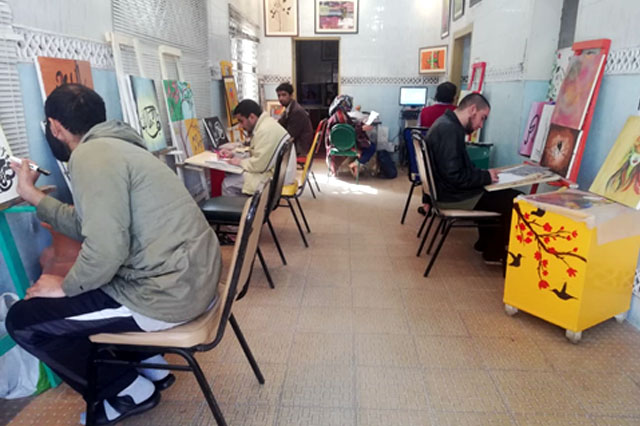
Vocational therapy is aimed at helping individuals develop the skills, confidence, and tools they need to gain employment or engage in meaningful work. For people with mental health challenges, vocational therapy can be a key component of their recovery journey, providing structure, purpose, and financial independence.
Key Features of the Vocational Therapy Unit:
- Job Skill Development: Individuals learn specific job-related skills, including technical skills, soft skills (like communication and teamwork), and organizational skills. This might include learning computer skills, office administration, or trades like carpentry, sewing, or food preparation.
- Career Counseling: Participants receive guidance on career paths, interview preparation, resume writing, and job searching. This helps them better understand their strengths and potential career opportunities.
- Workplace Simulation: For those who may have difficulty entering the workforce directly, vocational therapy units may provide simulated work environments where individuals can practice real-world tasks and gain confidence in their abilities.
- Social Skills Training: Building strong interpersonal skills is a core focus, as it can help individuals navigate workplace relationships, manage workplace stress, and develop greater independence.
- Supported Employment: Vocational therapy units may also facilitate placement in actual work environments, where individuals receive ongoing support as they transition into employment.
Benefits:
- Boosts self-esteem and independence.
- Helps individuals develop practical skills that make them more competitive in the job market.
- Promotes integration into society by ensuring that individuals have meaningful roles and tasks.
Music Therapy Unit
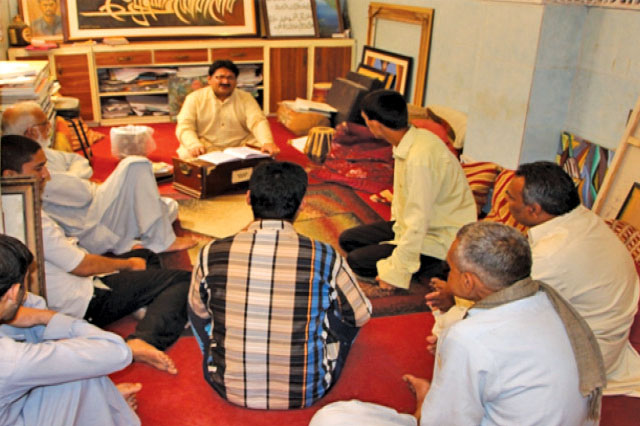
Music therapy is a therapeutic approach that uses music to address emotional, psychological, and social needs. This form of therapy can be especially effective for individuals with mental health disorders, as it allows them to express emotions non-verbally and engage in creative activities.
Key Features of the Music Therapy Unit:
- Emotional Expression: Music therapy provides an outlet for emotional expression, allowing individuals to communicate feelings and experiences that may be difficult to articulate with words.
- Active Participation: Participants engage in creating music, whether by playing instruments, singing, or composing. This active participation can help individuals feel more empowered and connected to their emotions.
- Relaxation and Stress Reduction: Listening to or playing soothing music can reduce stress, anxiety, and promote relaxation. Rhythmic and harmonic music has a calming effect on the body and mind.
- Cognitive Benefits: Music therapy can stimulate cognitive functions, such as memory, attention, and problem-solving. This is particularly helpful for individuals with cognitive impairments or those recovering from trauma.
- Social Interaction: Group music therapy can foster social interaction, teamwork, and communication, allowing individuals to connect with others in a shared creative experience.
Benefits:
- Reduces symptoms of depression, anxiety, and PTSD.
- Facilitates emotional expression and self-awareness.
- Promotes cognitive development and enhances social skills.
Spiritual Therapy Unit

Spiritual therapy focuses on helping individuals explore their spiritual beliefs and practices to achieve mental peace, healing, and self-acceptance. This type of therapy does not promote any specific religious practice but instead encourages individuals to connect with their own sense of meaning and purpose.
Key Features of the Spiritual Therapy Unit:
- Personal Growth and Reflection: Individuals explore their personal spiritual beliefs, values, and experiences, providing them with a sense of purpose and direction.
- Mindfulness and Meditation: Many spiritual therapy programs incorporate mindfulness practices, meditation, and breathing exercises, helping individuals develop greater self-awareness, inner peace, and emotional regulation.
- Community Support: Spiritual therapy can include group discussions or gatherings where individuals share their spiritual journeys, fostering a sense of community, belonging, and mutual support.
- Healing Practices: For some, spiritual therapy includes practices like prayer, guided imagery, or rituals that offer comfort, healing, and support during challenging times.
- Holistic Well-being: Spiritual therapy aims to integrate mind, body, and spirit, helping individuals understand the interconnections of their emotional, physical, and spiritual health.
Benefits:
- Provides emotional and spiritual support in times of crisis or uncertainty.
- Offers a sense of purpose, meaning, and hope, which can aid in the recovery process.
- Encourages emotional healing and personal growth.
Reading Therapy Unit

Reading therapy is a unique approach that uses literature and storytelling as a therapeutic tool to engage individuals in self-reflection, learning, and emotional growth. This unit can be especially beneficial for people with mental health challenges, including depression, anxiety, or trauma.
Key Features of the Reading Therapy Unit:
- Bibliotherapy: This involves reading specific books or stories chosen for their therapeutic value. Through reading, individuals can connect with characters and situations that mirror their own experiences, leading to insights and emotional release.
- Literary Discussion: Group discussions or one-on-one sessions help individuals process the material they’ve read, exploring themes such as coping with loss, building resilience, or overcoming challenges. This can help develop emotional literacy and coping strategies.
- Self-Exploration and Reflection: Reading allows individuals to reflect on their own lives, thoughts, and feelings by engaging with different perspectives and experiences found in literature.
- Enhancing Communication Skills: Reading therapy also supports the development of language, communication, and comprehension skills. This is particularly helpful for individuals with cognitive impairments or those recovering from trauma that affects their communication abilities.
- Encouraging Imagination and Creativity: Through storytelling, individuals are encouraged to imagine new possibilities, which can boost their creative thinking and problem-solving abilities.
Benefits:
- Provides emotional catharsis and insight through relatable stories.
- Improves cognitive and communication skills.
- Fosters a sense of connection with others through shared stories and experiences.
Community Art and Creativity
Art
plays a significant role in healing at Fountain House. The center hosts
art therapy sessions where members express themselves through painting,
pottery, and other creative outlets. The annual Fountain House Art Exhibit showcases these creations, offering a glimpse into the emotions and resilience of its members.
Fountain
House Lahore is not just a place; it’s a movement for change. Its
holistic approach to mental health, dedication to empowering lives, and
relentless fight against stigma make it a shining example of what’s
possible when compassion meets action. As we reflect on its legacy and
look to its future, one thing becomes clear: Fountain House is more than
a beacon of hope it’s a catalyst for transformation.
“A
small act of kindness can go a long way. Whether it’s a donation, a few
hours of volunteer work, or simply sharing this story, you can make a
difference. Together, we can create a brighter future for mental health
in Pakistan.
Comments
Post a Comment